·

Paris: Day 2

Notre Dame de Paris

I spent my second day in Paris exploring the 4th, 5th, and 6th arrondissements. In chronological order, I visited: the Mosque of Paris; El Jardin des Plantes & The Museum of Natural History; The Pantheon; Shakespeare & Co. Bookstore; Notre Dame; and Ile de Saint Louis.

Although it sounds like a lot to do in a day (on foot), Paris is actually very pedestrian friendly. Once the metro took me to the area, I spent the rest of the day exploring. I did not have a phone or GPS with me on the trip, so I relied heavily on the Google walking maps that I’d printed out beforehand. Those maps were invaluable because the map in my guidebook was virtually useless.

My first stop of the day was the Museum of Natural History. En route to the museum I passed the Pantheon & the Mosque of Paris. Both structures were lovely, but they don’t make it onto my list of “must-sees” in Paris.

I was very excited about the museum itself. I adore natural history museums. I have an uncanny attraction to taxidermy and all things science. I’ve spent full days exploring the Museum of Natural History in NYC. But… the museum in Paris was a bit disappointing. It was beautiful to me. There were plenty of exhibits and gorgeous animal reproductions. However, there were no English translations to be found, not in the audio exhibitions or on the walls. I’d hoped to at least be presented with a map in English so that I could navigate, but alas, no such luck.

The museum did have a gorgeous ambiance, glowing, blue lighting and four floors to explore. It wasn’t a complete loss, but I would not recommend a visit unless you can speak & read French.

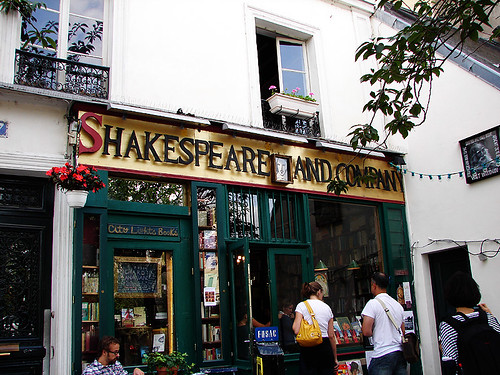
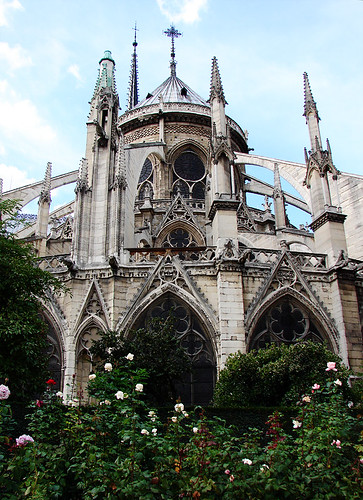
After the museum, I stopped for a phenomenal lunch at Tabac de la Sorbonne in the Quartier Latin and then continued on my way to Shakespeare & Co. Bookstore. I didn’t realize how close the bookstore would be to the Notre Dame Cathedral! As I was walking with my eye out for Shakespeare & Co., suddenly the breathtaking splendor of Le Notre Dame came into view.

A glimpse of beauty...

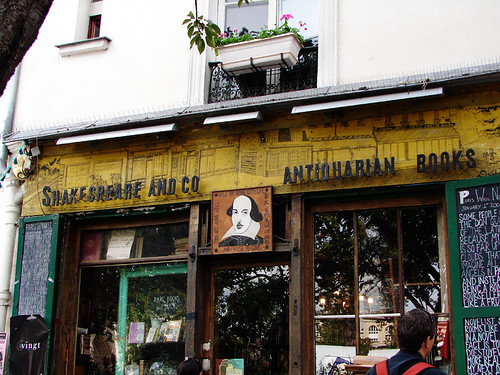
I tried not to be too distracted by the cathedral and made my way into one of the world’s most famous book shops. Inside, Shakespeare & Co. is magical. There are hidden nooks everywhere. There is a narrow staircase that leads to the second floor. As I ascended the stairs soft, haunting music pulled me closer. I followed the sound into another hidden room where a young man was playing the piano—which is apparently open to the public.

I do not know who the young man was or what he was playing but I was completely enchanted. I filmed this quick snippet of his beautiful music:

(If you have trouble viewing this video, click here.)

After this unexpected interlude I continued to explore the shop which is a book-lovers dream. Eventually I had my fill of running my fingers over colorful book spines and headed back out into the light of the day—I was so ready to soak in the majesty of the great cathedral.

I passed through the most charming little garden between the book shop and the church. I was so in love with the space that I decided to film a quick video post which you may have caught in September.

I made some friends in the garden...

Finally, I was on my way to Le Notre Dame. It really was as amazing as I imagined it would be. It was like something out of a dream. You have probably seen pictures, but seeing it in-person is truly awe-inspiring.

The Notre Dame de Paris was one of the first Gothic cathedrals. It has all of the architectural elements that you imagine a Gothic cathedral would have—giant spires, flying buttresses, stained glass windows, and lots of gargoyles. The structure is fantastic, beautiful, and haunting all at once. I spent so much time circling round and round, enjoying the view from every angle.

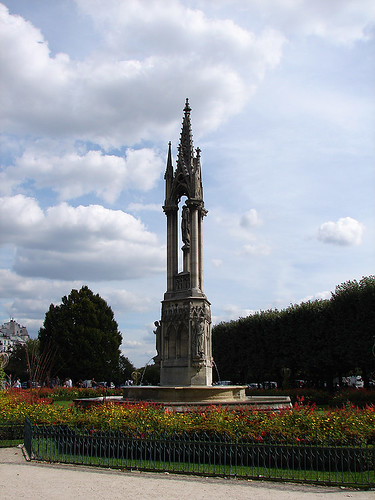
Gardens around Notre Dame

Haunting & beautiful

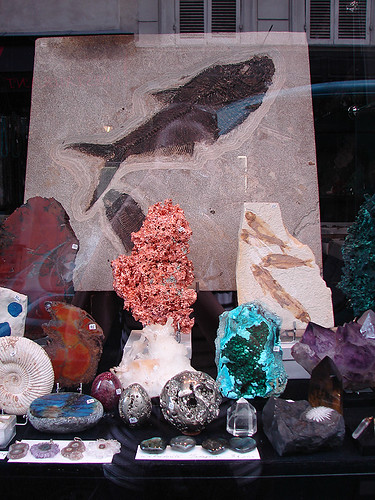
When I finished gazing, I took the short walk across a bridge and over to Île Saint-Louis which is one of the two natural islands in the Seine River. Île Saint-Louis is a lovely place to stroll and window shop. In my experience it was one of the higher end areas of Paris. The price tags affixed to the items in the shop windows were far outside of my budget, but it was fun to look.
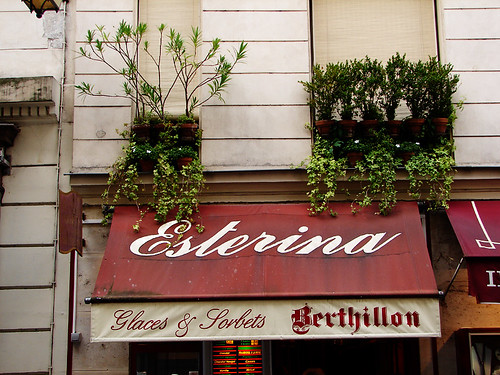
I made a quick stop at Berthillon for an over-priced gelato and then headed back toward the cathedral.
That's me with Notre Dame de Paris in the background

I ended my adventure with some late afternoon postcard writing and a bite to eat in Le Notre Dame Café. Afterward I headed back to my host’s place for my final night in Argenteuil.

Stay tuned for the third day of my Parisian adventure. 🙂 Believe it or not, it gets even better!

you may also like

  • · ·

    3 Simple Changes That Will Save Your Life

    This post could save your life. These 3 simple lifestyle changes saved mine. Today I am going to simply share facts with you. These facts (if you let them) will dramatically improve your quality of life. Making these changes can even increase your life span.

    1. Stop Smoking

    FACTS: According to the American Heart Association, cigarette smoking is the most important preventable cause of premature death in the United States, accounting for 440,000 of the more than 2.4 million annual deaths.

    Cigarette smoking causes lung cancer. In fact, smoking tobacco is the major risk factor for lung cancer. In the United States, about 90% of lung cancer deaths in men and almost 80% of lung cancer deaths in women are due to smoking. People who smoke are 10 to 20 times more likely to get lung cancer or die from lung cancer than people who do not smoke. The longer a person smokes and the more cigarettes smoked each day, the more risk goes up.

    Smoking also causes cancer of the voice box (larynx), mouth and throat, esophagus, bladder, kidney, pancreas, cervix, and stomach, and causes acute myeloid leukemia. Source.

    FACTS: One year after passing smoking bans, communities in North America and Europe had 17 percent fewer heart attacks compared to communities without smoking restrictions, and the number of heart attacks kept decreasing with time, according to a report in Circulation: Journal of the American Heart Association. Source.

    FACTS: If you quit smoking, you will:

    1. Prolong your life. According to the American Heart Association, smokers who quit between ages 35-39 add an average of 6-9 years to their lives. Smokers who quit between ages 65-69 increase their life expectancy by 1 – 4 years.

    2. Reduce your risk of cardiovascular disease. Quitting smoking reduces the risk of repeat heart attacks and death from heart disease by 50 percent or more. Quitting smoking also reduces your risk of high blood pressure, peripheral artery disease and stroke.

    3. Reduce your risk of developing a variety of other conditions including diabetes, lung cancer, throat cancer, emphysema, chronic bronchitis, chronic asthma, ulcers, gum disease and many other conditions.

    4. Feel healthier. After quitting, you won’t cough as much, have as many sore throats and you will increase your energy.

    5. Look and feel better. Quitting can help you prevent face wrinkles, get rid of stained teeth, improve your skin and even get rid of the stale smell in your clothes and hair.

    6. Improve your sense of taste and smell.

    7. Save money. Source.

    FACTS: What Happens When You Quit:

    After 20 minutes
    o You stop polluting the air
    o Your blood pressure and pulse decrease
    o The temperature of your hands and feet increases

    After 8 hours
    o The carbon monoxide level in your blood returns to normal
    o Oxygen levels in your blood increase

    After 24 hours
    o Your risk of heart attack decreases

    After 48 hours
    o Nerve endings adjust to the absence of nicotine
    o Your ability to taste and smell begin to return

    After 2 weeks to 3 months
    o Your circulation improves
    o Your exercise tolerance improves

    After 1 – 9 months
    o Coughing, sinus congestion, fatigue and shortness of breath decrease
    o Your overall energy level increases

    After 1 year
    o Your risk of heart disease decreases to half that of a current smoker

    After 5 – 15 years
    o Your risk of stroke is reduced to that of people who have never smoked

    After 10 years
    o Your risk of dying from lung cancer drops to almost the same rate as a lifelong non- smoker
    o You decrease the incidence of other cancers — of the mouth, larynx, esophagus, bladder, kidney and pancreas

    After 15 years
    o Your risk of heart disease is reduced to that of people who have never smoked

    If you smoke again (called a relapse) do not lose hope. Seventy-five percent of those who quit relapse. Most smokers quit three times before they are successful. If you relapse, don’t give up! Review the reasons why you wanted to become a nonsmoker. Plan ahead and think about what you will do next time you get the urge to smoke. Source.

    2. Maintain a Healthy Body Weight

    QUESTION: How many people get cancer by being overweight or obese? How many die?

    FACTS: In 2002, about 41,000 new cases of cancer in the United States were estimated to be due to obesity. This means that about 3.2 percent of all new cancers are linked to obesity.

    A recent report estimated that, in the United States, 14 percent of deaths from cancer in men and 20 percent of deaths in women were due to overweight and obesity.

    Colon cancer occurs more frequently in people who are obese than in those of a healthy weight. An increased risk of colon cancer has been consistently reported for men with high BMIs.
    Source.

    FACTS: Research has shown that as weight increases to reach the levels referred to as “overweight” and “obesity,” the risks for the following conditions also increases:

    * Coronary heart disease
    * Type 2 diabetes
    * Cancers (endometrial, breast, and colon)
    * Hypertension (high blood pressure)
    * Dyslipidemia (for example, high total cholesterol or high levels of triglycerides)
    * Stroke
    * Liver and Gallbladder disease
    * Sleep apnea and respiratory problems
    * Osteoarthritis (a degeneration of cartilage and its underlying bone within a joint)
    * Gynecological problems (abnormal menses, infertility) Source.

    3. Eat Whole Foods, Not Processed

    FACTS: The statistics are alarming:

    – One in three people will get cancer at some time in their life

    – Heart disease is the leading cause of death

    – Poor nutrition and physical inactivity together are the second
    actual cause of preventable death in the United States

    On the other hand new evidence shows that:

    – Eating five or more fruits and vegetables per day cuts cancer
    risk in half

    – People who eat more fruits and vegetables have a 30% lower risk
    of premature heart attack than people who eat a few

    – About 25% fewer strokes are projected for adults who eat 8 or
    more servings of fruits and vegetables per day

    – Fruits and vegetables may help keep blood sugar down and control diabetes.” Source.

    FACTS: Processed meat consumption results in 67% increase in pancreatic cancer risk.
    Source.

    FACTS: Inorganic phosphates are found in a variety of processed foods, including meats, cheeses, beverages and bakery products. They are added to increase water retention and improve food texture. Studies suggests a diet high in inorganic phosphates could speed growth of cancerous tumors and contribute to the development of tumors in those predisposed to the disease. Source.

    FACTS: Carcinogens in foods that may be naturally-occurring, caused by preparing or cooking certain foods, or added to it, include safrole, estragole and benzene. Processed foods such as sausages, bacon and canned meats contain high amounts of the preservative nitrite, another known carcinogen. Other carcinogens to look for in food products include:

    * acetaldehyde
    * acetamide
    * azo color and compounds
    * benzidine
    * bis (2-Chloromethyl) ether
    * cadmium
    * chlorinated parraffin waxes
    * 3,3-dichlorobenzidine
    * dichloromethane
    * hexachlorobenzene
    * polycyclic aromatic hydrocarbons
    * polychlorinated dibenzodioxins
    * polychlorinated dibenzofurans
    * sillica
    * trichloroethylene

    Though it is impossible to avoid every known carcinogen, to decrease risk of cancers and other illnesses, a balanced diet with more unprocessed, whole foods can decrease risk of some cancers and other diseases such as type two diabetes and heart disease. Source.

    FACTS: Nutrients in Whole Foods that Protect Against Cancer:

    1. Vitamin A: Strengthens the immune system. Essential for mineral metabolism and endocrine function. Helps detoxify. True vitamin A is found only in animal foods such as cod liver oil; fish and shellfish; and liver, butter and egg yolks from pasture-fed animals. Traditional diets contained ten times more vitamin A than the typical modern American diet.

    2. Vitamin C: An important antioxidant that prevents damage by free radicals. Found in many fruits and vegetables but also in certain organ meats valued by primitive peoples.

    3. Vitamin B6: Deficiencies are associated with cancer. Contributes to the function of over 100 enzymes. Most available from animal foods.

    4. Vitamin B12: Deficiencies are associated with cancer. Found only in animal foods.

    5. Vitamin B17: Protects against cancer. Found in a variety of organically grown grains, legumes, nuts and berries.

    6. Vitamin D: Required for mineral absorption. Strongly protective against breast and colon cancer. Found only in animal foods such as cod liver oil, lard, shellfish and butterfat, organ meats and egg yolks from grass-fed animals. Traditional diets contained ten times more vitamin D than the typical modern American diet.

    7. Vitamin E: Works as an antioxidant at the cellular level. Found in unprocessed oils as well as in animal fats like butter and egg yolks.

    8. Conjugated Linoleic Acid (CLA): Strongly protective against breast cancer. Found in the butterfat and meat fat of grass-fed ruminant animals.

    9. Cholesterol: A potent antioxidant that protects against free radicals in cell membranes. Found only in animal foods.

    10. Minerals: The body needs generous amounts of a wide variety of minerals to protect itself against cancer. Minerals like zinc, magnesium and selenium are vital components of enzymes that help the body fight carcinogens. Minerals are more easily absorbed from animal foods.

    11. Lactic Acid and Friendly Bacteria: Contribute to the health of the digestive tract. Found in old fashioned lacto-fermented foods.

    12. Saturated Fats: Strengthen the immune system. Needed for proper use of the essential fatty acids. The lungs cannot function without saturated fats. Found mostly in animal foods.

    13. Long-Chain Fatty Acids: Arachidonic acid (AA), eicosapentaenoic acid (EPA) and docosahexaenoic acid (DHA) help fight cancer on the cellular level. They are found mostly in animal foods such as butter, organ meats, cod liver oil and seafood.

    14. Co-enzyme Q10: Highly protective against cancer. Found only in animal foods. Source.

    In closing: I truly hope that you will begin living these simple lifestyle changes. If you are non-smoker, not obese, and already eating whole foods, then I challenge you to help to spread this message to as many people as you can. All of the suffering and the disease mentioned above is not necessary. It can be prevented.

6 Comments

  1. Dena, it is so funny that the very first photo in this blog post is my favorite view of Notre Dame. That side of it is majestic. I love reading about your trip, especially since it’s how we “met.” 🙂

    1. @ Andra – Sometimes I think we are the same person! (What a compliment to me.) But I suppose we are just kindred spirits. 🙂

      I am so happy to hear that you are enjoying reading my adventures. I am also grateful that it is what brought us together.

      I read about your holiday party this morning. I’ve been trying to scheme up an excuse to get down to Charleston ever since. 😉

      xo

  2. Pingback: Dena Botbyl
  3. Pingback: Dena Botbyl
  4. Pingback: Dena Botbyl

Leave a Reply

Your email address will not be published. Required fields are marked *