Minimalism: Get Rid of Clutter, Get Rid of Stress

Have nothing in your house that you do not know to be useful, or believe to be beautiful. —William Morris
I’ve been pursuing a minimalist lifestyle for well over a year now. I’ve had great success in some areas, and massive failure in others.
This past January, I moved into an apartment for a few months while Matthew did some construction. This was an eye-opening experience in terms of my minimalist progress (and lack thereof). The moving process required me to pick up everything I own and transport it from Point A to Point B. There isn’t a better way to take stock of your worldly possessions. Especially when you’re carrying it uphill. 😉 (I was adamant about moving my things myself.)
My takeaways:
I still have too many/too much:
- clothing
- cosmetics/make-up
- beauty items (perfume, lotion, etc.)
- jewelry
- books
- DVDs
- pens/markers/highlighters
I’ve done a great job of paring down/getting rid of:
- old notebooks
- letters/notes
- photographs
- cards
- trinkets & decorations
- shoes
- kitchen/cooking tools
I plan to make progress with the “still have too much” list this summer.
A Dumpster on Wheels
The moving process caused me one major headache that I didn’t anticipate. My Jeep became a nightmare. I literally did not clean it from January until June. The outside was gross from months of dirty snow & road salt accumulation. The inside looked like a second, filthy home. There was so much crap in there and I just kept adding to it. Empty bottles, empty bags, sweatshirts, boots, shoes, napkins, books, hats, gloves, garbage. It looked like a dumpster.
While the move added to it, the real problem was me. I simply didn’t take the time to do what needed to be done. And that’s really what minimalism and decluttering is all about it: simply doing what needs to be done.
I can’t quantify the negative impact that having a dirty car had on my health & spirit over the course of six months. Every time I got in my car, I felt stressed. There were countless times when I was mortified for people to even take a peek inside of it. 🙁 All of this unnecessary emotional pain because I was simply too lazy/unaware to take an hour to clean!
No sense dwelling on the past, but I’ve learned my lesson. A couple of weeks ago I emptied out the contents and then took her to the car wash for a thorough scrub down. Afterward, I immediately felt a tremendous weight lift from my shoulders. I am not exaggerating when I say that I could actually breathe easier. Now, getting into my car every day is a joy. And I have been vigilant to ensure it stays this way.
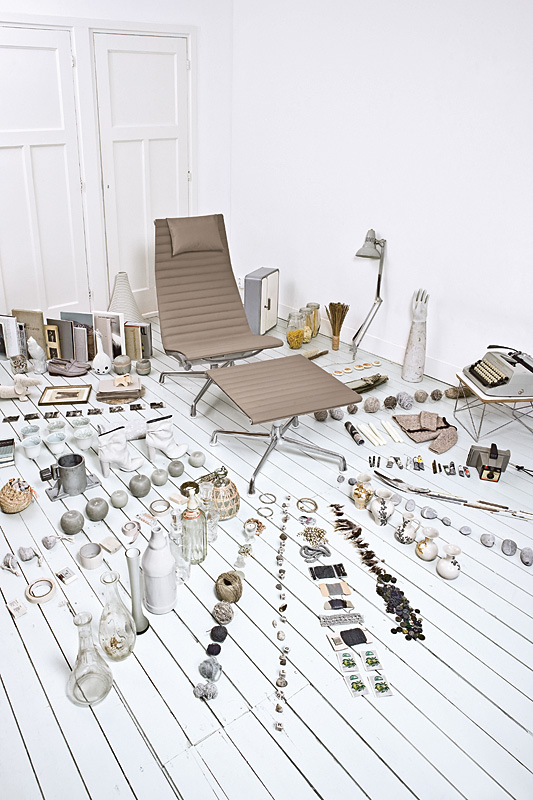
It’s a simple matter of being aware. When you bring something in, bring it back out. Don’t leave anything behind and there will be no clutter. It’s truly that easy.
Simple Ways to Battle Clutter
These tips will work at home, in the office, in your car, and so on.
- Designated space. Make sure that every single thing that you own has a designated space.
- Keep it there. Keep every single thing that you own in its designated space.
- Put it back. When you finish using something, put it back in its designated space.
- Quarterly sweep. Do a quarterly sleep of unused possessions. Get rid of what you don’t use. As a rule of thumb, if you haven’t used it for three months, it needs to go.
- Three piles method. Use three piles to sort everything out. a. Keep, b. Sell/Donate, and c. Trash. After you’ve sorted, trash or recycle the items in the Trash pile immediately. Then reevaluate the Keep and Sell/Donate piles. Are there any items in the Keep pile that you really should donate or sell? If so, move them to the appropriate pile.
These tips may sound basic, but if you implement them, you will never have to worry about clutter again.
~
Alright, now it’s your turn. Have you ever let your car/closet/kitchen get to such a point? Or am I alone in my shame? 😕


Our “clean out the excess” activities have usually been associated with a move from one home to another. In our dread of all the “stuff” that needs to be moved, we do a pretty good job of sorting what stays, what gets donated and what gets trashed.
Now that we have lived here in lovely Charleston, SC for 12 years, we have been good at doing the Spring and Fall clean up of clothes for donation, but, have let other “stuff” sorta gather and gather and gather some more. Most of it is my Rotary stuff, flags, banners, brochures, handouts, etc. But, we are both guilty of letting other things pile up and get stuffed away in a closet or a drawer.
My goal in July is to take a couple of weekends and get what we need to keep a bit better organized and dump/donate the rest. If clothing hasn’t been worn in a year, out it goes. If books have been read and not going to be kept to read again, to the library they go. We even have wrapped presents that we have to give away that just set on a shelf, out they go to Goodwill.
I will say that we both keep our cars spotless on the inside and usually keep the outside washed regularly. We both hate a messy car so that is the approach we have to take to the house. It isn’t messy or cluttered as most of the “stuff” is in drawers and closets, but, there is just too much of it.
We’ll compare notes by the end of July and see how we’re doing…it will be a “de-clutter challenge” just for fun. 🙂
You’re on, Lou! July De-clutter Challenge it is. Let’s check in every week or so to monitor progress! 🙂
I enjoyed your blog and I am new to this minimalist lifestyle. But, I’ve already gotten rid of 200 things in my house this weekend. I went through every closet, drawer and room. i am so excited and I feel so much better. It is new for me, so I am struggling with emotional attachments to things. I am really going to try to have everything have a purpose and a “home”.
Thanks for your posts.
Hi Angie! Wow, 200 things? That’s amazing. Sounds like you are on the right path. I love what minimizing does for the soul. I totally understand about emotional attachments to things, though. That is always one of the hard parts for me, too. Have you checked out zenhabits.org. Leo has a few really helpful posts on that topic. Best of luck & keep in touch! Let me know how your journey progresses. 🙂