A Field-to-Table Hunting Experience: Thoughts on Eating Meat
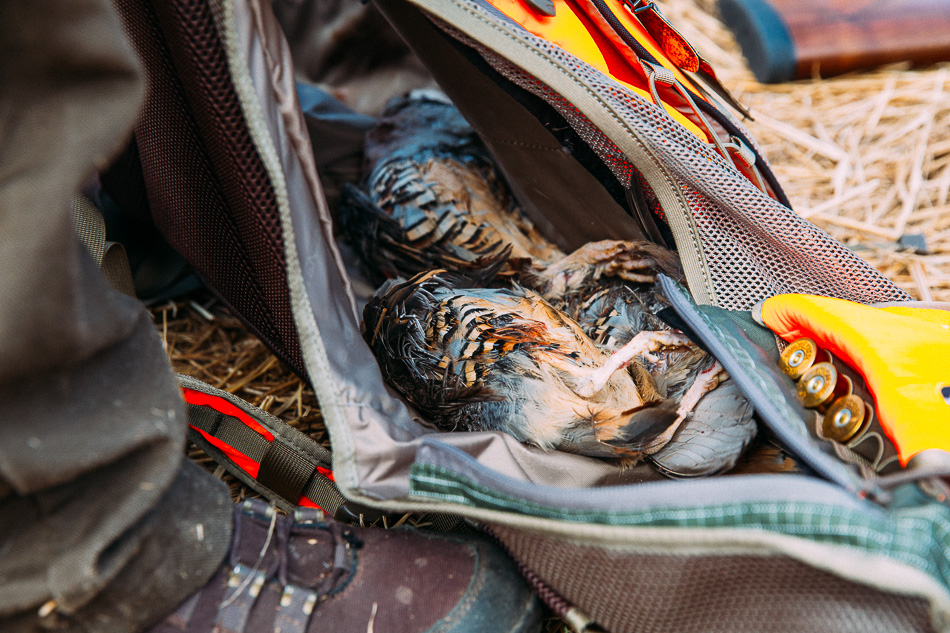
This post is a bit out of the ordinary for me. While I often focus on plant-based living & nutrition, today I am going to talk about eating meat & hunting. So, if you are interested to read these thoughts, please read on.
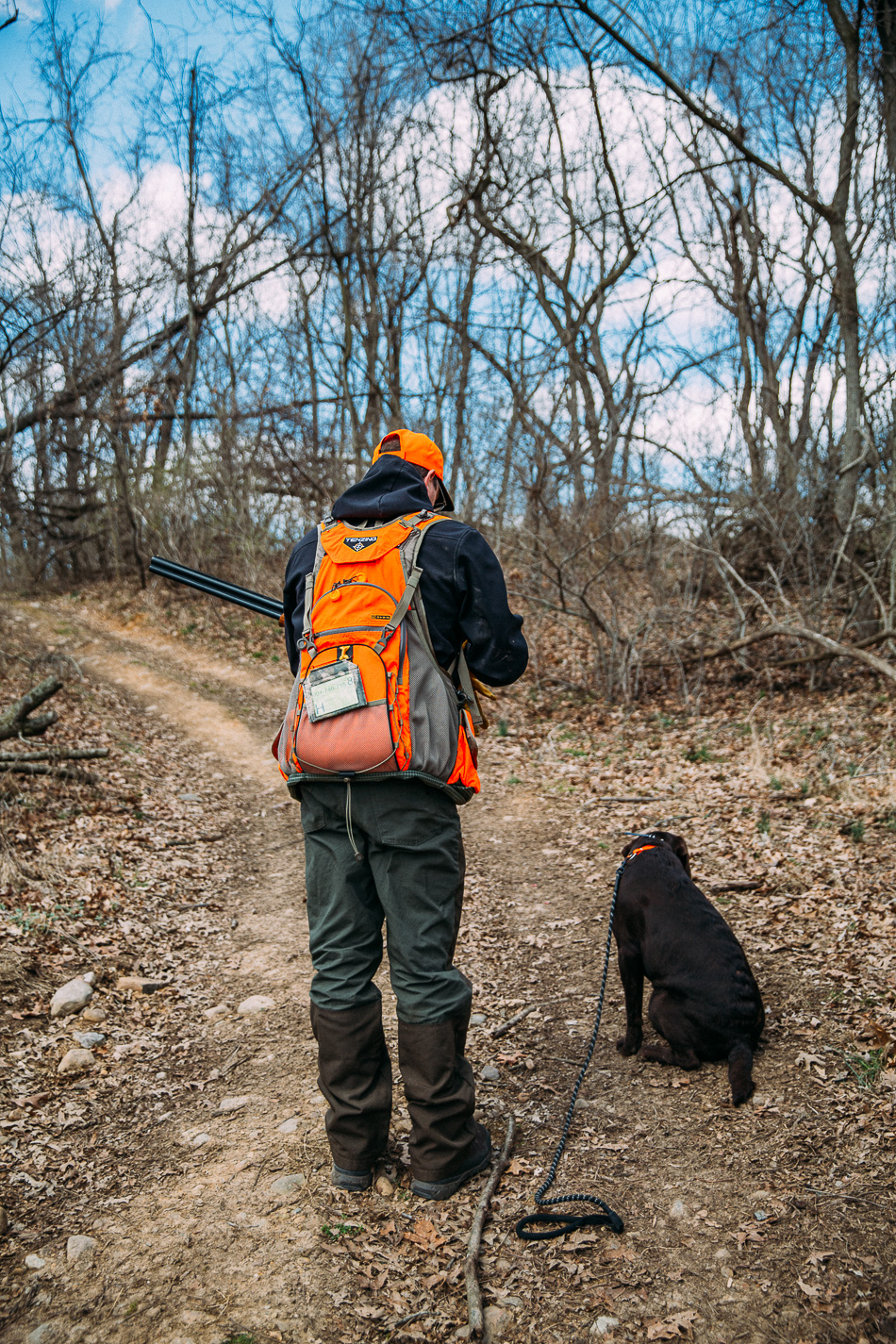
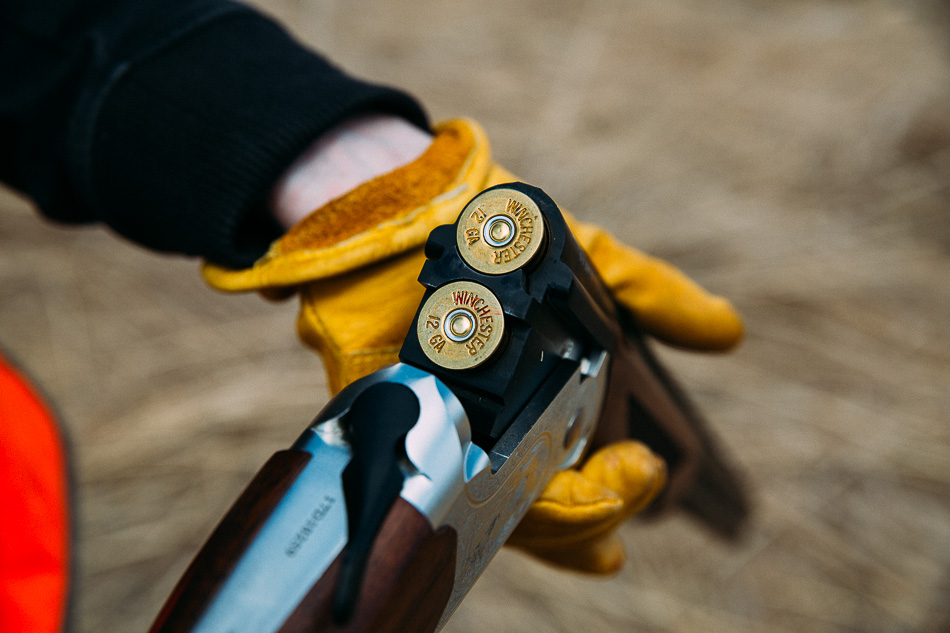
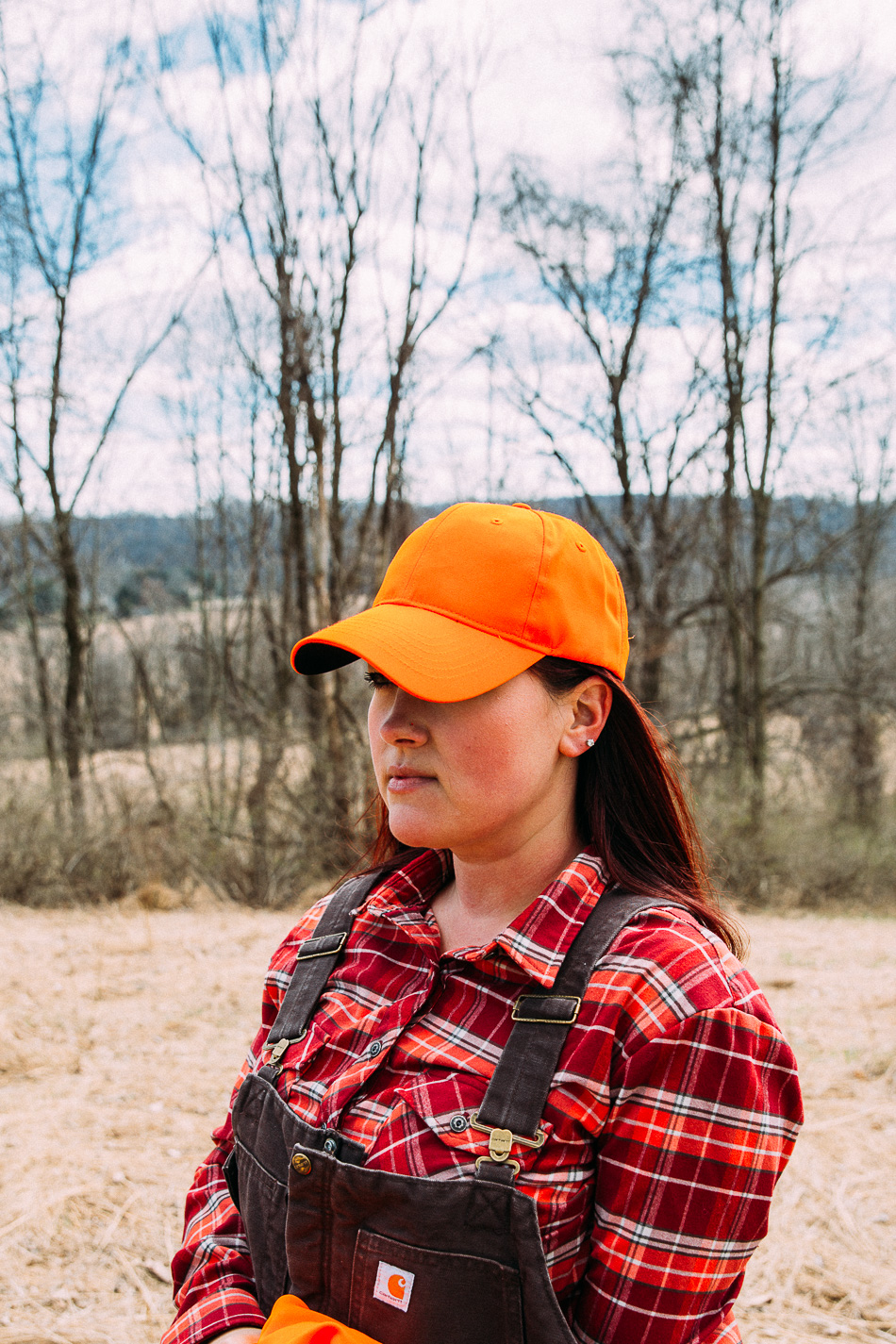
A couple of months ago, I had the opportunity to document a bird hunting expedition. It was my first time out on a hunt and it served many purposes for me. It transformed my thinking in some ways. Here are my thoughts on the experience.
The Reality of Eating Meat
I have live a mostly plant-based lifestyle for the last two years. Eating meat has been a source of contention for me for many years. From the time that I was 11-years-old, I have fluctuated between being a vegan/vegetarian/pescatarian. The only exception to that was the time that I was pregnant and breastfeeding. During that time, there were days when I craved meat intensely and I always listened to my body during those times, especially after blood work revealed that my iron was slightly low during both pregnancies.
For the last two years, since I stopped breastfeeding, I have truly been living a mostly plant-based lifestyle. In other words, I mostly eat plants — fruit, vegetables, grains, and legumes. I also eat fish/seafood about 2-4 times per month. However, I do occasionally make exceptions. My kids also eat a mostly plant-based lifestyle, but I occasionally make exceptions for them too.
Because I am not a strict vegan and because there are occasionally animal products in our diet, I have felt for a long time that I needed to be more connected to the process of meat harvesting. I strongly believe that it is unethical to eat meat “blindly,” to be completely disconnected from the process, to eat something when you have no idea where it came from or how it got to your plate.
If you are not willing to face the reality of the process, then you should not be eating it. That is my belief. The disconnection between the process of killing/butchering meat and eating meat is a result of cognitive dissonance. (I wrote more about cognitive dissonance here if you are interested.)
I am not going to get too far into the psychology of this today, but suffice to say that it was important to me to experience this process. I learned a lot, both about the process of hunting and butchering logistically, and also about my own feelings regarding eating meat.
From Field-to-Table
Without a doubt, witnessing the process of harvesting meat from field-to-table was enlightening. I am still conflicted about the ethics of meat eating, but I do have more clarity. I can say with certainty that I respect the art of hunting for food — not for trophies — more than I did before. I believe in the circle of life and I believe that humans evolved as hunters and gatherers. I believe that there is a place for animal protein in our diets, albeit a small place. The Standard American Diet (SAD) takes protein consumption to a disgusting blown-out level, without question. With that said, I do support the process of hunting for meat seasonally and ethically. (Ethically here meaning minimal pain and suffering for the animal).
I realize that combining the ideas of “ethical” and “killing” is difficult to grasp and hypocritical. I understand why vegans feel the way that they do. I understand it and respect it deeply. Witnessing the actual taking of a life is not easy for me because of my compassionate nature. Even if it is an ant, a fish, a bird or a flower, it pains me in some way. I am deeply connected to nature, and I feel “something” even when I pick a flower — as crazy as that sounds. Yes, I am a “tree-hugger” if you will. But with all of that being said, I have been studying anthropology and native cultures for 12 years — and I do believe that sustainable and ethical hunting is an integral part of the human experience.
We do not need animal protein to survive. A person can be perfectly healthy without meat. We are capable of receiving all of the protein that we need from plants. The idea that we need protein from animals to be healthy or build muscle or be strong is a myth. However, taking nutrition out of the equation, I still believe that there is a place for hunting in the human experience. I grew up in a family of hunters and that pained me at times. I also know enough about nutrition to know that a plant-based diet is actually the best possible thing for our health. Therefore, I have always struggled with the “reason” as to why people eat meat. To say that it “tastes good” is just not a good enough reason for me.
I personally needed something more. I needed to experience this process firsthand to understand it. And now that I have, I can say that I do understand it. Will I ever start to eat meat on a regular basis? No. Will I ever buy meat in a supermarket and bring it into my house? No. But do I understand and respect the process of sustainable, ethical hunting for food? Yes.
Thoughts on Farming
Before I close this post I feel obligated to talk about farming for a moment. This post is not about farming, but I have talked a lot about eating meat and I have justified it to an extent. Therefore, for my own peace of mind, I need to briefly address the issue of farming since the vast majority of the meat consumed here in the US comes about as a result of the grotesque factory farming industry.
When it comes to eating farmed livestock, my thoughts are very cut and dry. Factory farming is disgusting and unacceptable, by and large. Just as I believe that hunting has been an important evolutionary piece of the human experience, I also believe that farming & raising livestock is important as well.
However, the only acceptable means of farming and raising livestock involve the ethical treatment of animals. Farmers who love and respect their animals; who raise the animals with dignity; and harvest them with dignity. Again, I know that some reading this will take issue with the juxtaposition of the ideas of “ethical” and “killing.” However, these are my thoughts. Although it is a slow transition, the tide is turning (albeit too slowly) in terms of factory farming. Today we have more options. If we buy and consume meat, we should support farmers and companies that we trust and look for options like pasture-raised, humanely-raised and slaughtered, cage-free, cruelty-free, organic, and so on.
We should also be willing to witness this process from start to finish. If you eat beef or pork, cheeseburgers or bacon, you should be willing to go on YouTube and watch a few videos of the process. Watch some examples of the horrors of factory farming. Then watch some examples of ethical, humane farming. Better yet, if you can, visit these places and witness it in-person. Of course that is not always possible, but at the least, technology gives us the option to watch videos and documentaries. If you are unwilling to face the reality of these things, if you “cannot stomach” them, then perhaps you should think harder about eating the outcome of the process.
Connection and the Human Experience
It is scary for me to post this, to be honest. People have such strong convictions when it comes to eating meat. As with many things in life, I feel like I have a middle of the road stance. I do not take one extreme side or the other. I believe that eating meat, like everything, is about balance. It is not black and white, there is a gray area. I do not want to preach or offend. Surely, everyone is entitled to their own thoughts and opinions, I try hard to be sensitive to that.
This experience was in some ways difficult for me. My anxiety was through the roof for a range of reasons, from the fact that it was the first time I was ever around a loaded gun, to the fact that I knew I would be sad to see the birds killed. Yet, despite all of those things, the experience was also beautiful in its own way. I felt something very primal in the experience. My friend who took me along on this hunting trip happens to be an avid hunter, and also an avid conservationist. Many people believe that these two things are mutually exclusive, but I can assure you, they are not. Many hunters have more love and reverence for nature than you would ever imagine.
The bottom line for me is that we need to be more connected to the all of the processes that affect our lives. From food, to clothing, to shelter, to recreation. If we all stop to be a bit more conscious of everything that we do — where it comes from, how it is made, what the effects are — we can live more consciously and connected to the world around us.
I am extremely grateful that I had this experience. It broadened my perspective and forever changed one of my core beliefs. I hope that you will enjoy these photographs from my experience.
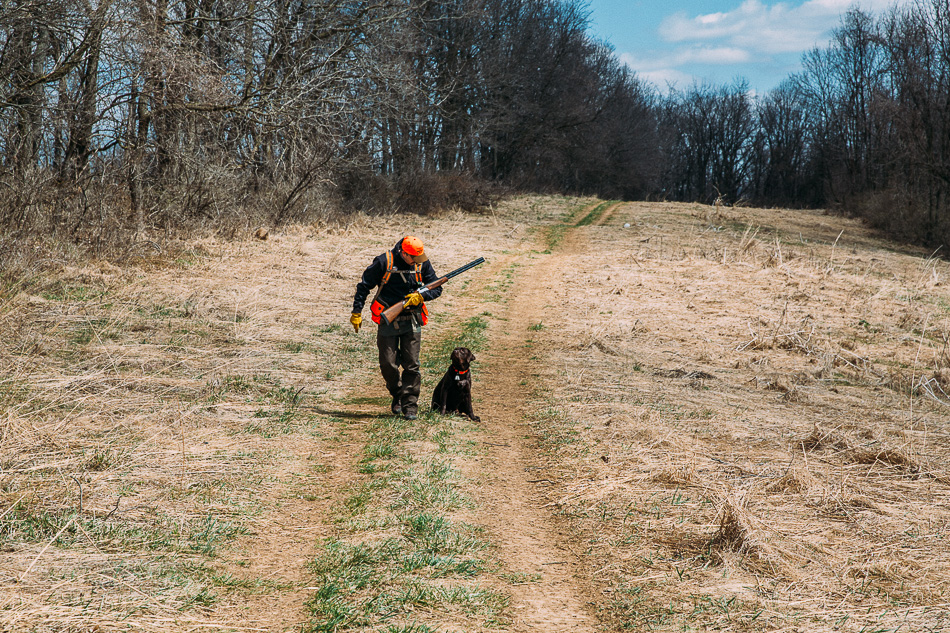
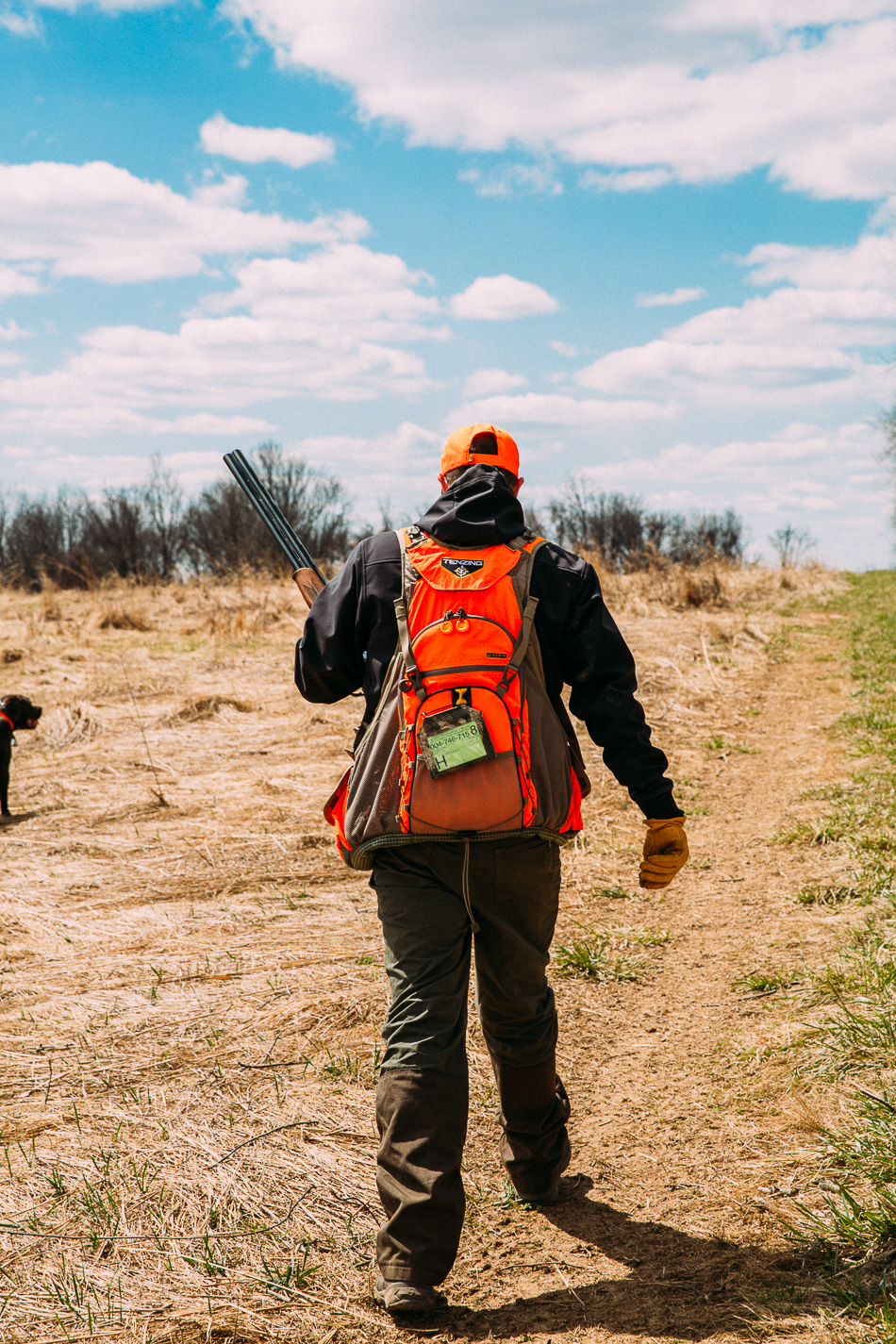
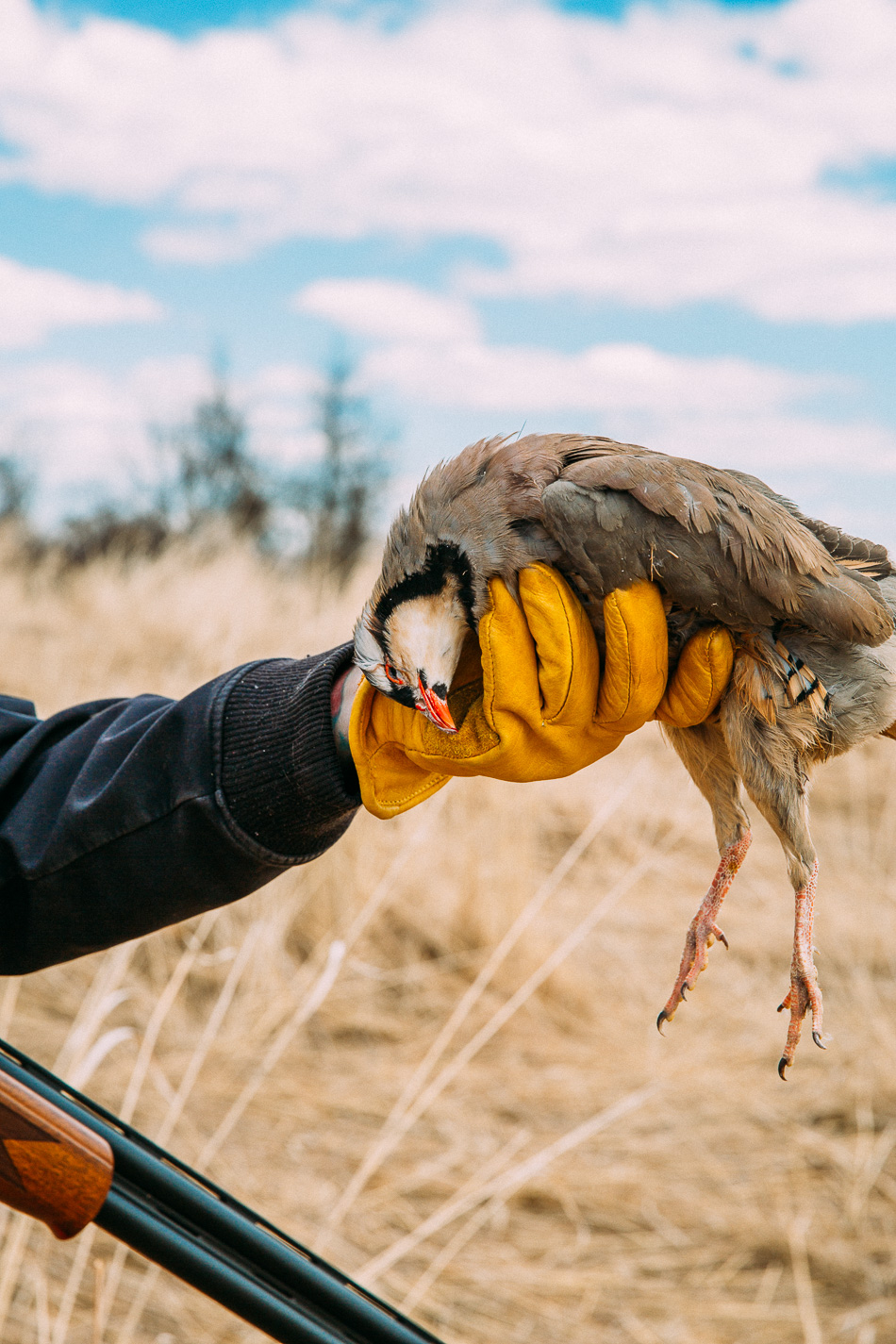
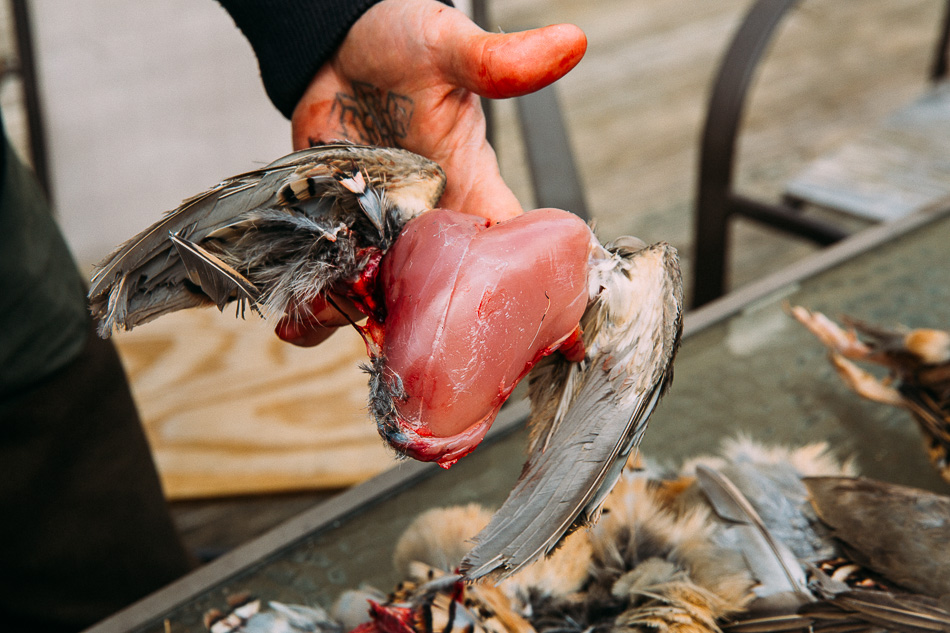
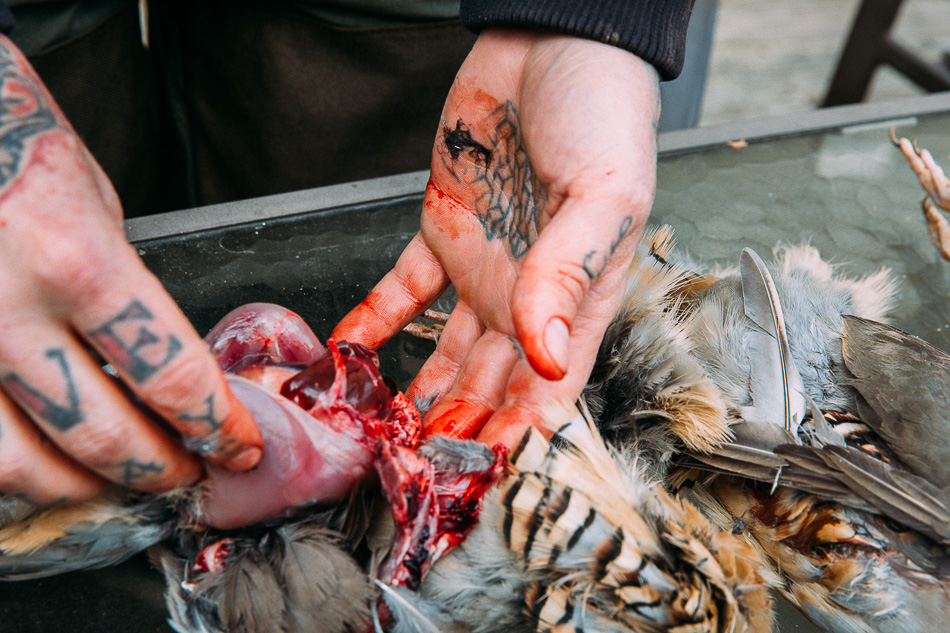
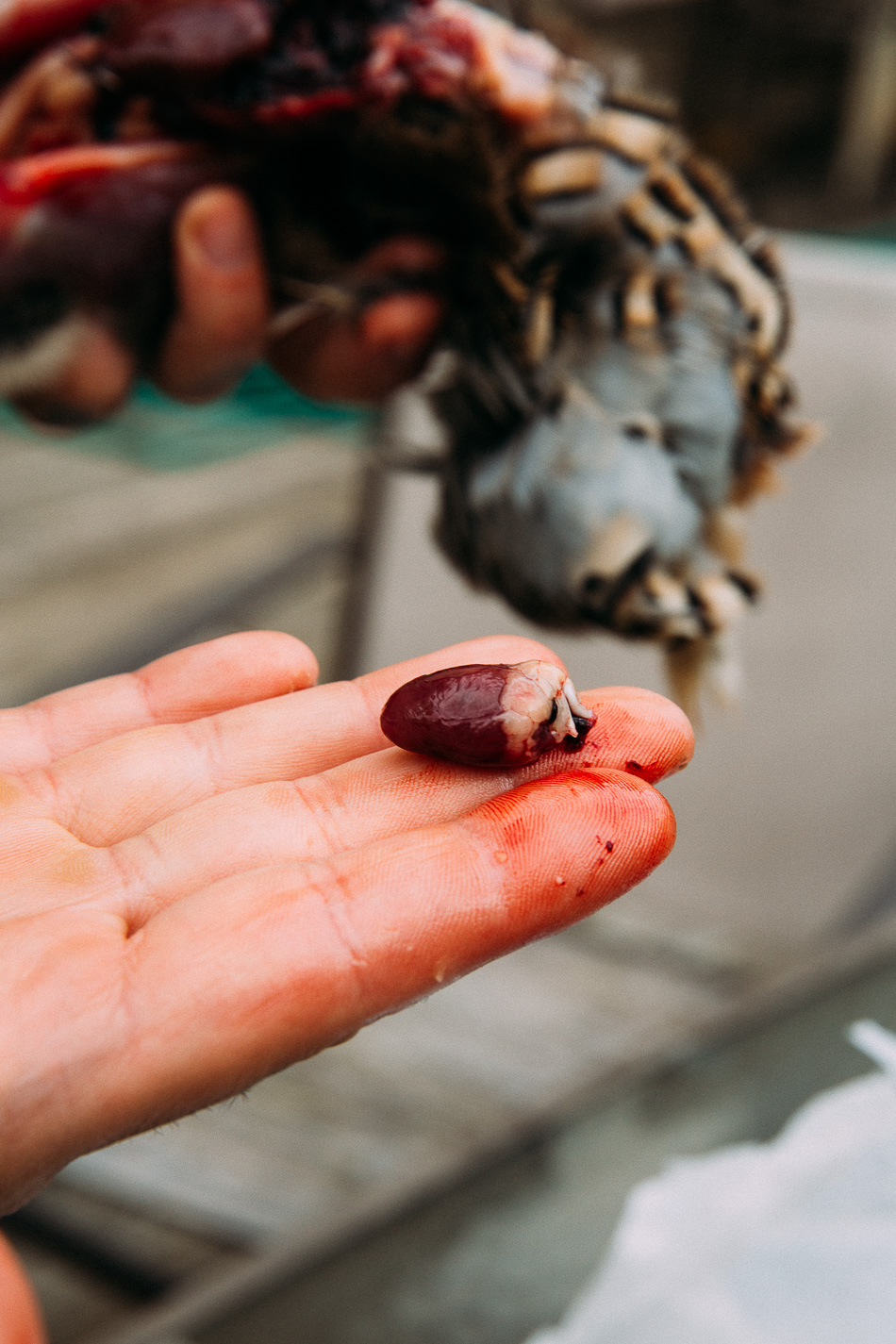
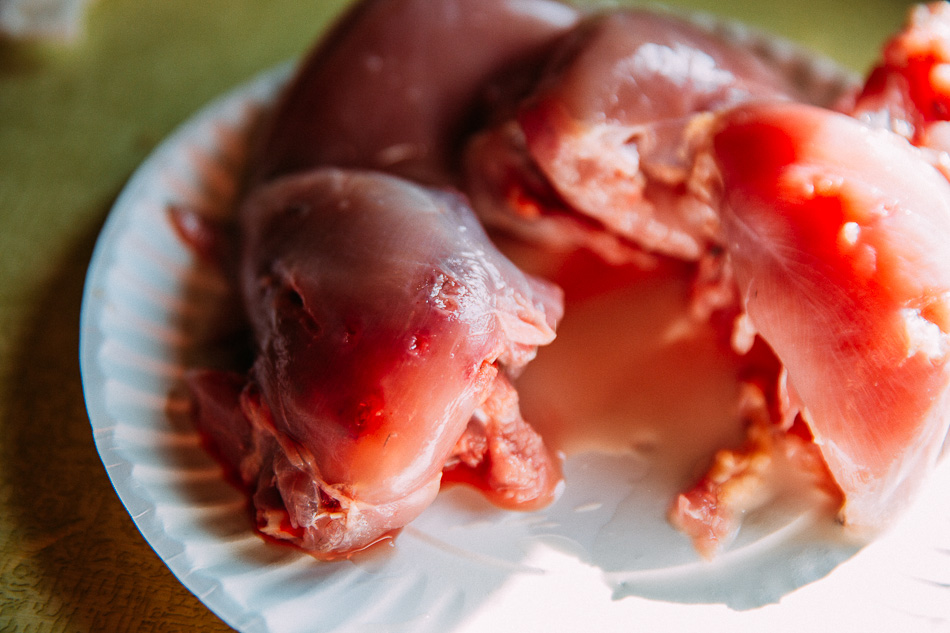
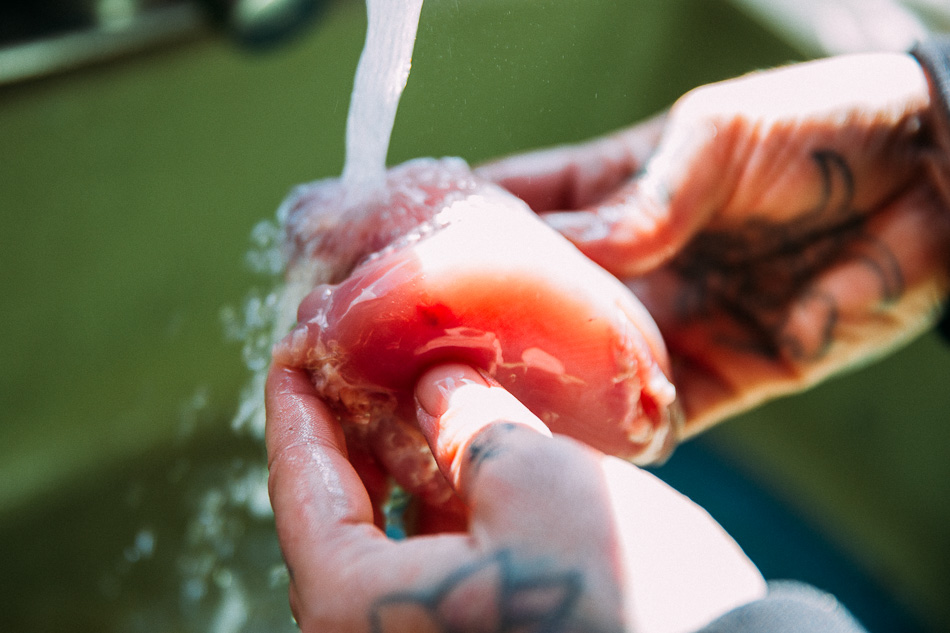
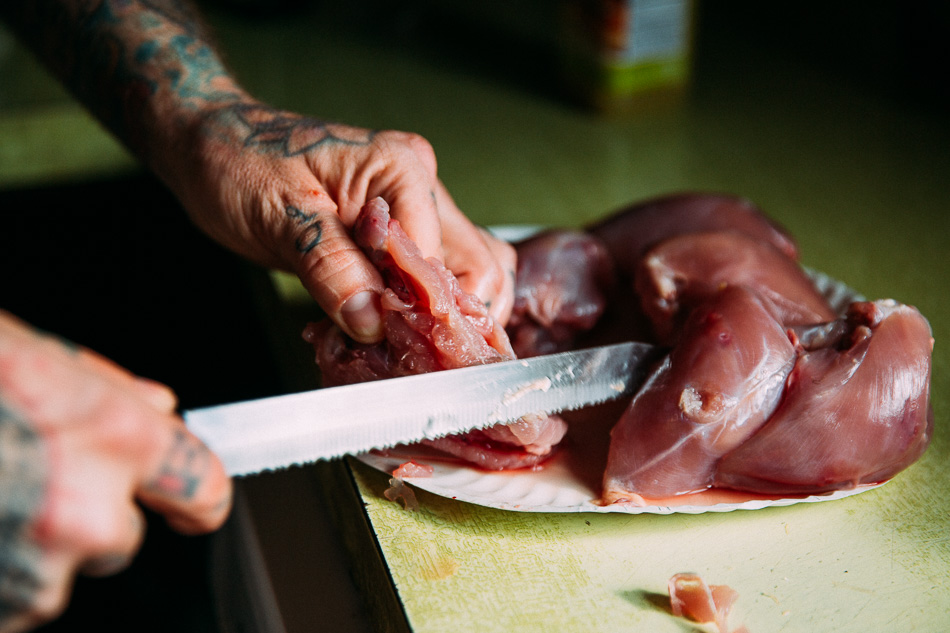
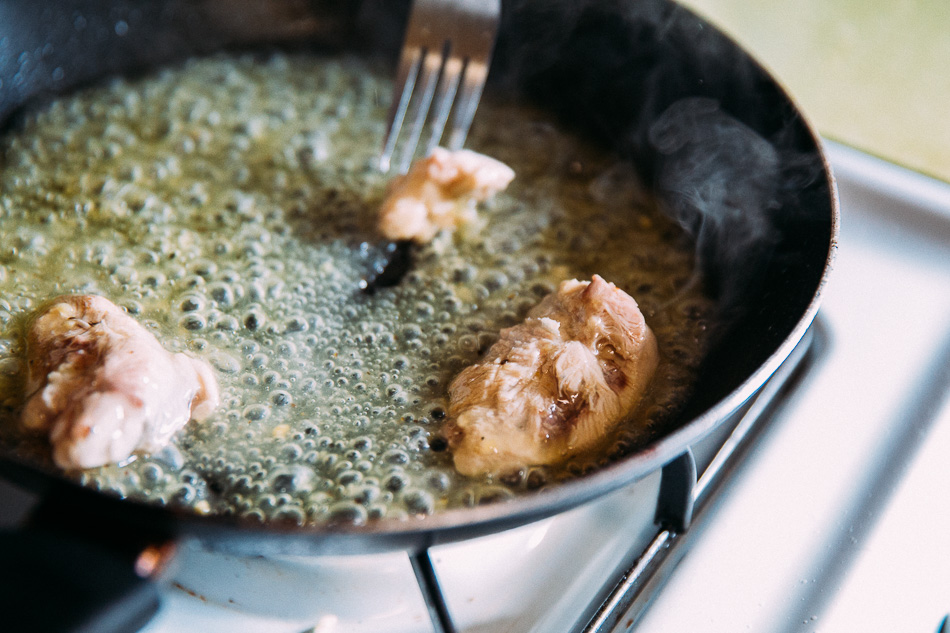
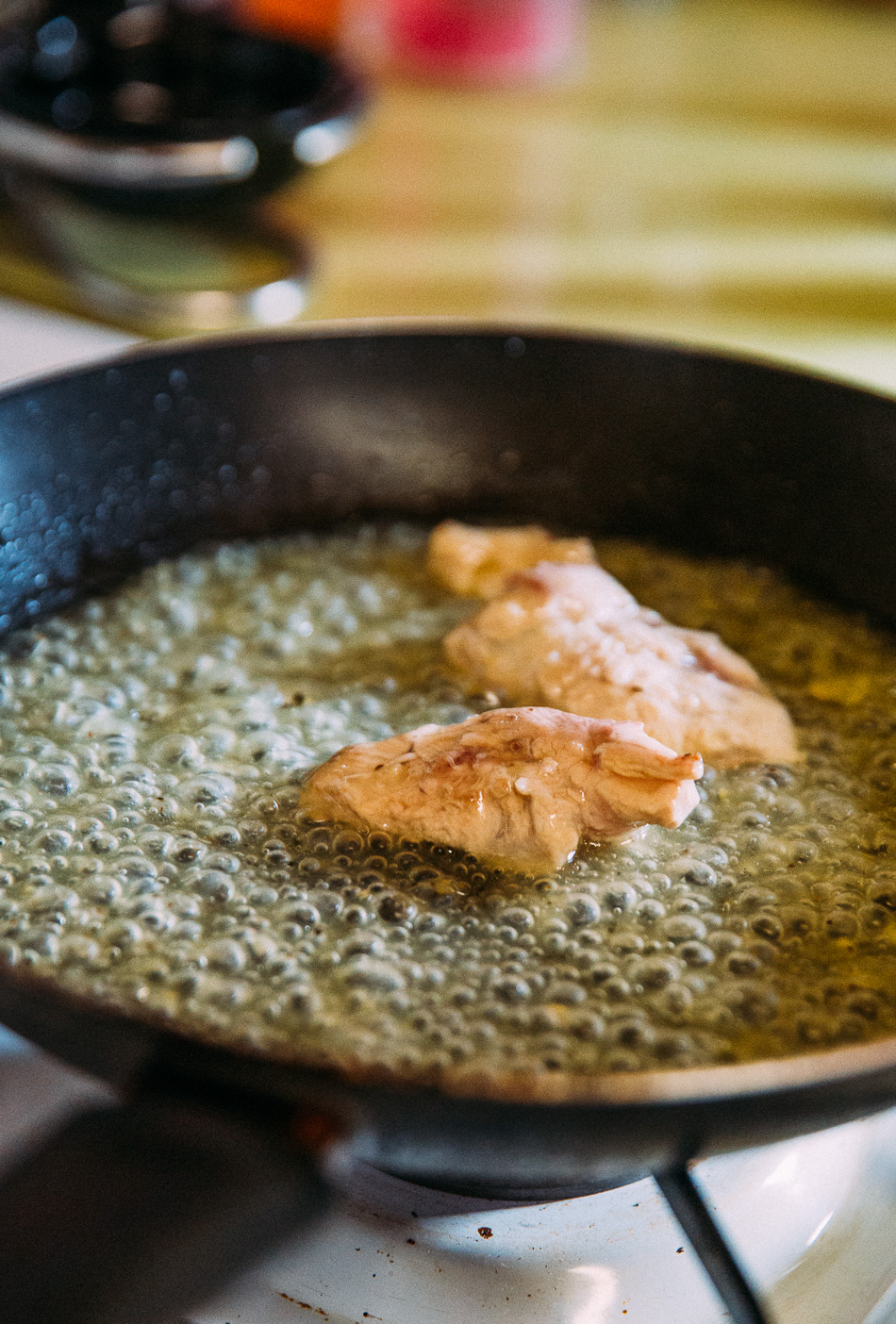
And, yes — even though I do not enjoy eating poultry whatsoever — I did eat it. I had to complete the experience from start to finish and I am glad that I did. Thank you to my friend, Matt, for inviting me to be a part of this excursion and teaching me a whole lot along the way.