Taking a Break from Facebook | Part 2
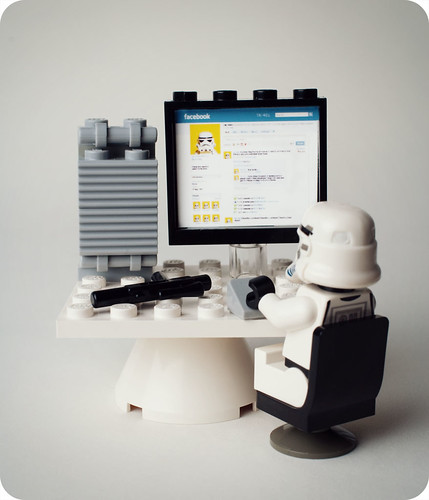
Taking a Break from Facebook was the first entry that I wrote here at Evolution. Back then, I was still at the very beginning stages of creating this blog. It seems like forever ago (though it’s only been six months). When I wrote that entry, I really was taking a break from Facebook. At that time, I decided to spend less of my time prowling the dark alleys of Facebook and shift my focus to other social networking sites (like Twitter) and create this blog. What a great decision!
I knew that taking a break from Facebook was going to increase my productivity, but I never imagined that it would lead me on a journey to creating a blog, making incredible connections, and falling head over heels in love with my new life as a part-time blogger.
Since then, I have gotten back on Facebook, but I no longer feel the addiction to it that I once did. No more incessant desires to check my “Live Feed” every half hour, and no more dramatic impulse to “Like” or “Comment” on every single “Status Update” that I read.
Don’t get me wrong, I like Faceook. I’ve been using it since 2005. It has a lot of redeeming qualities. It’s nice to keep in touch with my cousin in Hawaii and my good friends in the UK. I love to see the beautiful photographs that my friends and family post. It’s wonderful to know what’s going on in everyone’s life at the click of the mouse…
On the other hand, it’s a bit disconcerting when I get “Friend Requests” from the check out clerk of the grocery store that I’ve been in once and the woman that delivered mail to my house when I was five-years-old! Aside from the outrageous friend requests, I’ve recently heard several stories about people becoming serisouly addicted to the social networking site. I’ve even heard about Facebook addiction support groups and therapists offering Facebook addiction counseling.
I see a trend here and it’s not a good one. The internet has long been blamed for many things – childhood obesity, extramarital affairs, identity theft and much more. Facebook, and similar social networking sites, could worsen the problem; but only if we let it. With a bit of common sense and a willingness to exhibit some restraint, we can all reap the positive benefits of social media – like networking, community building, and keeping in touch with loved ones – and at the same time, still maintain our sanity & productivity.
How To Take a Break From Facebook (And Control Yourself When You Return):
1. Step away. The first thing you’ll want to do is literally step away from Facebook for awhile. Without going in to much detail, make a simple status update about your departure.
Sample: I will be away from Facebook for a little while. Try not to miss me too much. If you need me shoot me an email at denabotbyl@gmail.com.
Keep it short & sweet and leave people with a way to contact you (since most have long-forgotten how to use a telephone).
2. Limit your intake. After the detox, you should feel fresh & lighter. You are ready to step back in with a new perspective. Each time you go to log on, take a moment to decide how long you’ll spend. Will you take 5 minutes to sort through messages & reply to comments? Or do you intend to spend a half hour catching up on things? Either way is fine, but set a finite amount of time and stick to it! The point here is to be conscious of your actions.
3. Take inventory of what matters. Now that you’ve got a better handle on the situation, decide whether or not there are other issues at play. Are you spending so much time on Facebook because you haven’t got better things to do? Perhaps you need to take up a new hobby. Join a knitting club, take up jogging, buy a cookbook & start trying new recipes. It’s not to say that you shouldn’t be on Facebook at all, but in the same token, it shouldn’t be the highlight of your day.
4. Enjoy Facebook in a healthy way. Stay connected, spread love & light. Don’t get sucked into the madness. Facebook is not the real world. Like all things, moderation is key.
When you do consciously decide to spend your valuable time on Facebook, make sure you are doing something productive that will enrich your life. Never forget how valuable your time truly is. Use Facebook to strengthen your relationships, support causes that move you, share art, and learn. Feel free to join the Evolution Facebook Fan Page at http://facebook.com/evolutionblog.


One Comment