Simple Ways to be Happier
By now you know that you can not seek happiness, you must live it and here are some simple ways that you can begin living happiness today.
Get Enough Sleep
Most people have no idea of the tremendous importance of sleep. Sleep is crucial to our happiness and even our health. Lack of sleep can lead to aching muscles, dizziness and nausea, hallucinations, hand tremors, irritability, memory lapses or loss, outbursts of rage, and depression. Lack of sleep weakens the immune system and puts you at greater risk to illness. In fact, a large study of over 1400 participants showed that people who habitually slept fewer hours were more likely to have associations with Type 2 Diabetes.
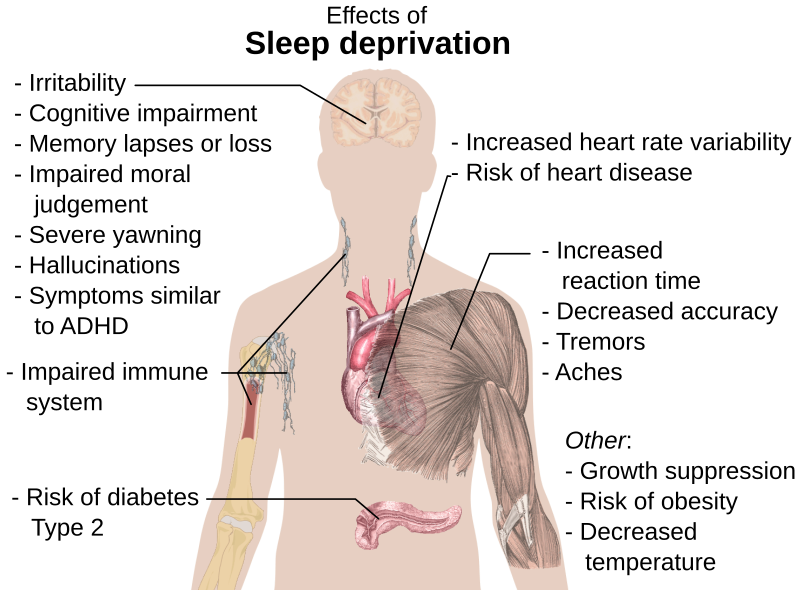
Lack of sleep has been shown to negatively effect brain function. A study at Chicago Medical Institute suggested that sleep deprivation may be linked to more serious diseases, such as heart disease and mental illnesses including psychosis and bipolar disorder. A study at the University of California at Berkley revealed that lack of sleep causes the brain to become incapable of putting an emotional event into the proper perspective and incapable of making a controlled, suitable response to the event.
Lack of sleep negatively impacts physical growth, has been shown to contribute to obesity, prevents the body from healing, and impairs motor skills. Clearly, sleep in crucial to our health and likewise, health is crucial to our happiness.
In my own life, sleep is the most critical element to happiness. Without adequate sleep, I am miserable. Period, end of statement. The amount of sleep needed to “feel good” and perform (mentally, physically) optimally varies from person to person. Research has shown that the amount of sleep necessary to each person is genetic. For me personally, I need at least seven solid hours of sleep to feel good and perform optimally.
Some of the most difficult days (and nights) of my life have been accompanied by, and probably caused by, a significant lack of sleep. When I do not get enough sleep, I cry very easily. I also get angry, pick fights, and overreact constantly. I do not like the person that I become and I know from experience that the people around me would agree.
Do What You Love
What makes you happy? What is the thing that makes your heart soar when you do it? What makes you smile? What makes you feel alive? Name that thing, then do it. Doing what you love means doing what you are passionate about and living consciously.
Life is short. Do not waste it doing things that you do not love.
“We only get to play this game one time, one life.” –Gary Vaynerchuk
For me, doing what I love can mean a lot of things – spending an afternoon in the library with a great book, penning letters to a friend, watching movies on the couch with my partner, having a great workout at the gym. It doesn’t matter what it is and there are so many things that make me happy, why waste time doing things that I don’t even like? Of course some afternoons are spent cleaning the kitchen, running errands, or at the office but I even try to infuse the things that I love then. For example, I take 5 minute breaks while cleaning to catch up on my Google Reader, I decorate my office with beautiful, Native American art, and I listen to relaxing classical music when I’m stuck in rush hour traffic.
Surround Yourself with Positive People
The people that surround you have an enormous impact on your own happiness. Even if you wake up in an amazing mood with tons of positive thoughts and plans for the day, being forced to spend it with a negative person or group of people can destroy your mood. Negativity is contagious, negative people can and will suck the life out of you. Likewise, positivity is contagious and positive people can infuse you with happiness, excitement, and encouragement.
“Positive people don’t need an outside push; they seemingly have a natural internal push that continually pulls them forward.” —Unknown
Cultivating meaningful relationships with positive people is an ongoing priority for me. Over the past several years I have had to make some difficult decisions regarding the people that I surround myself with and “friendships” in general. It was difficult to remove myself from some very important relationships that had been built up over many years, however in the end, I had to put my well-being first. Since then, I have been infinitely happier, healthier, and more productive. And even better, in removing negative influence from my life, I have made lots more space for positive friends, mentors, and partners.
Care for Your Body
There are two key elements to caring for your body: healthy eating and exercise. It is a known fact that happiness is associated with health and that health is associated with nutrition & exercise.
Physical exercise is proven to improve mood and help prevent depression. Regular exercise triggers the release of endorphins — the chemicals that make you happy — in the brain. In the long term, exercise increases blood and oxygen flow to the brain. It also increases chemicals in the brain that help cognition. A 2008 study concluded that physical activity enhances older adults’ cognitive function. It reduces the risk of developing dementia. Furthermore, anecdotal evidence suggests that frequent exercise may reverse alcohol-induced brain damage.
Nutrition is equally beneficial. Research has shown that diets rich in vegetables, fruits, and whole grains are associated with a significant reduced risk for heart disease, cancer, and diabetes. How is that for a positive! Proper regimented nutrition has also been proven effective in battling depression, bipolar disorder, schizophrenia, and obsessive compulsive disorder. Imagine that! It is something to think about if you suffer from any of these but also even if you don’t. If proper nutrition can treat that, imagine what it can do to lift your mood.
Aside from all of this research, the idea is simple and rather obvious. When you move about and eat healthy you are left feeling energized. On the contrary, when you lie about and gorge on junk food, you are left feeling rather tired and unmotivated. That is just the way it is. Regular exercise is so good for you and as a bonus, it contributes to (the number one item on my list) quality sleep.
I began to practice a healthy lifestyle several years ago, in the process I lost seventy pounds. Maybe your results might not be as drastic, maybe you don’t want them to be, however even with small, incremental changes to your habits, you will see a positive difference.
Get a Fish Tank
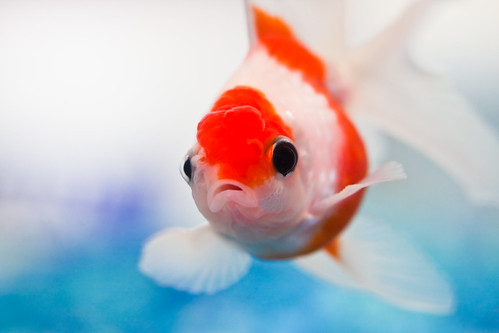
There are so many reasons why keeping a fish tank or a home aquarium is a great idea. Fish have been proven to help people keep their attention on their food and, as a result, leave less food on their plates. Many restaurants keep fish aquariums now because of this. If you (or your children) have trouble eating or are picky eaters, try keeping an aquarium in your dining room. When you feel like you are getting sick, try gazing at your aquarium for 30 minutes, the fish will relax your mind and help reduce stress — making you more able to fight off sickness and disease. Some hospitals and veterinary offices keep fish because of the benefits to health and the soothing effects that aquariums provide. If you have high blood pressure or anxiety, watch your fish for at least 15 minutes each day. Aquarium fish have been proven to lower blood pressure and reduce anxiety.
My partner and I have had our fish tank for several months now. We have a beautiful 55-gallon tank with several groups of small, colorful, schooling fish. I am 100% certain that spending time each morning and evening watching the fish has benefited my happiness tremendously. I can feel the weight of my worries slip from my shoulders when I stare at the fish gracefully gliding through the water.
—
So there you have it — five, simple ways that I live happiness each day. I hope that these ideas and the information about them are helpful and inspirational to you.
What things are you doing right now to live happiness? What ideas can you share with others to help them live happiness in their own lives?





Dena – I think these are great tips. But for me, the big one is exercising (which also helps me sleep better at night). I've noticed that I fall into negative cycles when I don't take the time out to exercise consistently.
On the other hand, when I work out 5-6 days a week, I tend to be more productive, effective, and confident. As a result, my overall level of happiness is boosted.
Paul
@Paul – I have to agree with you on the fact that exercise is tremendously important. I feel a million times better when I get my but in gear. Those negative cycles that you mention are killer. Sometimes it's hard getting myself there but once I've done it – so worth it! 🙂